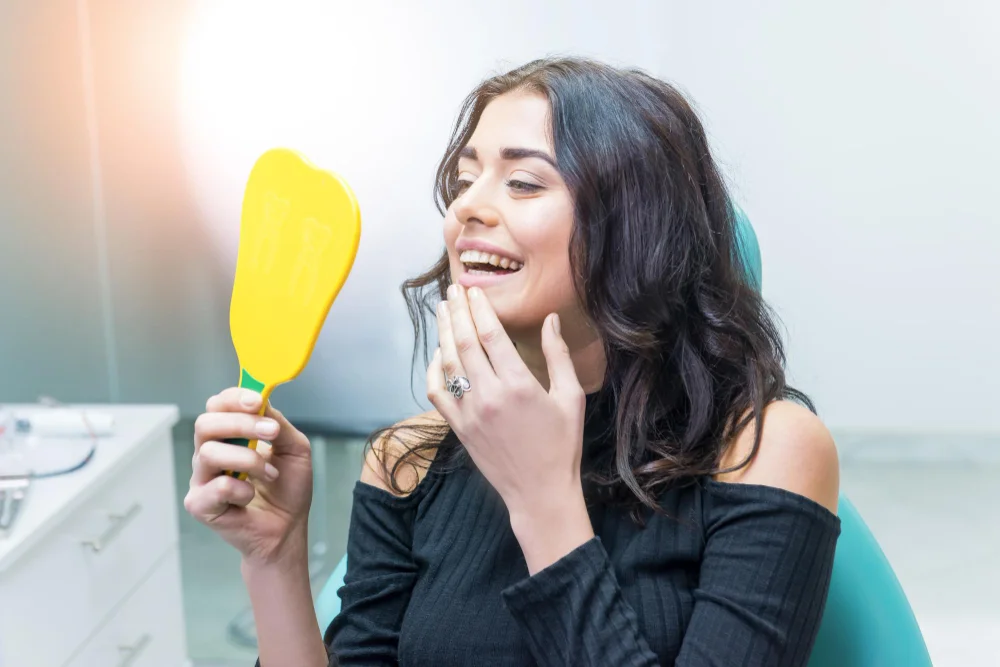
A bright, white smile is often associated with good health, confidence, and beauty. Over time, however, teeth can become stained or discolored due to lifestyle habits, aging, and dietary choices. This is where teeth whitening comes in as one of the most popular and effective cosmetic dental treatments.
With so many options available today, from professional treatments to home remedies, it is important to understand what actually works and what should be avoided to protect your teeth.
Why Do Teeth Become Discolored
Before choosing a whitening method, it is important to know the causes of discoloration.
Common reasons include:
- Consumption of tea, coffee, and colored beverages
- Smoking and tobacco use
- Poor oral hygiene
- Aging, which naturally thins enamel
- Certain medications
Understanding the cause helps in selecting the most effective whitening approach.
What Works Best for Teeth Whitening
1. Professional Teeth Whitening
Professional whitening performed by a dentist is the safest and most effective method. It uses advanced bleaching agents that provide quick and noticeable results.
Benefits include:
- Immediate visible improvement
- Safe application under expert supervision
- Long-lasting results
- Customized treatment based on your teeth condition
This option is ideal for those looking for fast and reliable results.
2. Take-Home Whitening Kits from Dentists
These are dentist-prescribed kits that allow you to whiten your teeth at home using custom-made trays.
Advantages:
- More controlled and safer than over-the-counter products
- Gradual and natural-looking results
- Convenient for regular use
3. Over-the-Counter Whitening Products
Products like whitening toothpaste, strips, and gels are widely available.
They can help with:
- Mild stain removal
- Maintenance after professional treatment
However, they are less effective for deep stains and may take longer to show results.
What You Should Avoid
Not all whitening methods are safe. Some popular trends can actually harm your teeth.
1. Excessive Use of Whitening Products
Overusing whitening products can damage enamel and cause tooth sensitivity. Always follow recommended guidelines.
2. DIY Home Remedies
Social media often promotes natural remedies like lemon, baking soda, or charcoal. These can be harmful.
Avoid:
- Lemon or acidic substances that erode enamel
- Abrasive materials that scratch tooth surfaces
- Unverified whitening hacks
These methods may provide temporary results but can lead to long-term damage.
3. Whitening Without Dental Consultation
Using whitening treatments without understanding your dental condition can worsen existing problems like cavities or gum disease.
A dental checkup before whitening is always recommended.
Professional vs Home Whitening: Which is Better
Professional whitening stands out for its effectiveness and safety. While home options may seem convenient and affordable, they often lack the strength and precision of professional care.
If you are serious about achieving a noticeably brighter smile, professional treatment is the best choice. Home products are better suited for maintenance rather than transformation.
Tips to Maintain White Teeth
After whitening, maintaining your results is important.
- Brush twice daily and floss regularly
- Limit intake of staining foods and beverages
- Rinse your mouth after consuming colored drinks
- Avoid smoking and tobacco
- Schedule regular dental cleanings
Small lifestyle changes can make a big difference in preserving your bright smile.
Common Myths About Teeth Whitening
Myth 1: Whitening damages teeth permanently
Fact: When done correctly under professional guidance, whitening is safe.
Myth 2: All whitening products give the same results
Fact: Professional treatments are far more effective than over-the-counter options.
Myth 3: Natural remedies are always safe
Fact: Many natural methods can actually harm enamel and gums.
Conclusion
Teeth whitening is a simple yet powerful way to enhance your smile and boost your confidence. However, choosing the right method is crucial to ensure both safety and effectiveness.
Professional treatments remain the gold standard, offering reliable and long-lasting results. Avoid unsafe DIY methods and always seek expert advice before starting any whitening procedure.
A brighter smile is not just about appearance. It reflects good oral health and proper care.