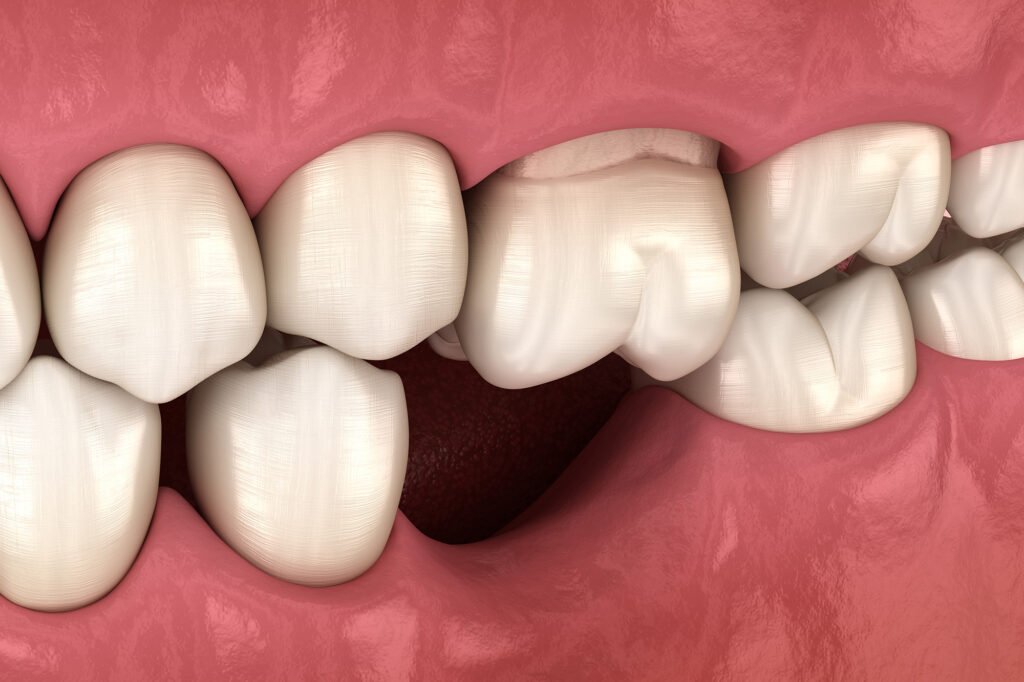
Bone loss around teeth is a serious dental condition that affects the supporting structures of the teeth and gums. It usually develops gradually due to advanced gum disease, infections, or long-term oral health problems. If left untreated, bone loss can weaken tooth support, cause loose teeth, and increase the risk of tooth loss. Recognizing symptoms early and seeking proper dental treatment are essential for protecting oral health and preserving healthy teeth.
Understanding Bone Loss Around Teeth
The jawbone plays an important role in supporting teeth and maintaining oral structure. Bone loss occurs when the bone surrounding the teeth begins to deteriorate due to infection, inflammation, or lack of stimulation. As the condition progresses, the gums and teeth may become unstable.
Bone loss often develops silently in the early stages, making regular dental check-ups important for early detection.
Common Symptoms of Bone Loss Around Teeth
Recognizing symptoms early helps prevent further damage to teeth and gums. Common signs include receding gums, loose teeth, bleeding gums, persistent bad breath, and difficulty chewing. Some individuals may notice gaps developing between teeth or changes in their bite alignment.
Swelling, gum infections, and tooth sensitivity may also occur as the supporting structures weaken.
Causes of Bone Loss Around Teeth
Several dental conditions can contribute to bone loss around teeth. Advanced gum disease, also known as periodontitis, is one of the leading causes. Bacterial infections damage the gums and gradually affect the underlying bone structure.
Poor oral hygiene, untreated dental infections, smoking, diabetes, teeth grinding, and delayed dental care can increase the risk of bone deterioration.
Importance of Early Diagnosis
Early diagnosis is important for slowing bone loss and preserving natural teeth. Dental evaluation helps assess the severity of gum and bone damage through clinical examination and imaging if required.
Timely treatment improves the chances of controlling infection and preventing tooth loss.
Dental Treatment Options
Treatment depends on the severity and cause of bone loss. Professional dental cleaning and periodontal care may help remove infection and reduce inflammation in the gums. In advanced cases, specialized dental procedures may be required to restore gum and bone health.
Maintaining good oral hygiene and attending regular follow-up visits are important for long-term recovery and prevention.
Preventive Care Tips for Healthy Teeth and Gums
Healthy oral habits play a major role in preventing bone loss around teeth. Brushing and flossing regularly help reduce plaque and bacterial build-up. Routine dental check-ups allow early identification of gum disease before severe damage occurs.
Avoiding smoking, maintaining healthy blood sugar levels, and following a balanced diet also support stronger teeth and bone health.
When to Seek Dental Care
Dental consultation is important if symptoms such as loose teeth, bleeding gums, gum recession, or persistent bad breath develop. Early professional care helps protect the supporting structures of the teeth and reduces the risk of permanent damage.
Conclusion
Bone loss around teeth is a serious oral health condition that can weaken tooth support and increase the risk of tooth loss if left untreated. Recognizing symptoms early and seeking timely dental treatment help preserve healthy teeth and gums. Proper oral hygiene, preventive dental care, and regular dental check-ups are essential for maintaining strong bone support and long-term oral health.