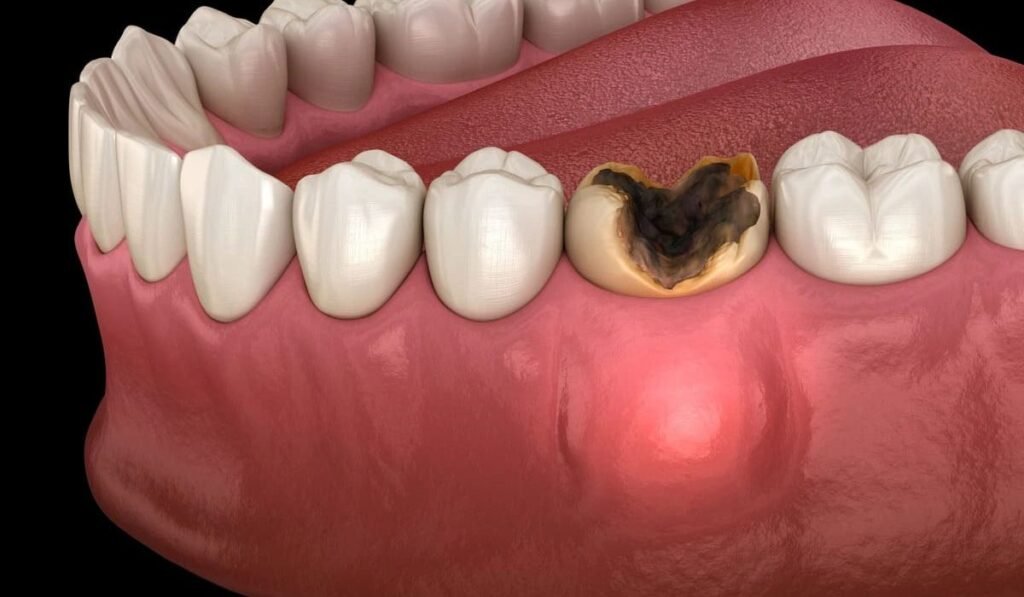
A tooth abscess is a serious dental infection that occurs when bacteria enter the inner tissues of a tooth or surrounding gums, leading to the formation of pus. This condition can cause severe pain, swelling, and discomfort and may spread to nearby tissues if left untreated. Early recognition and timely dental care are essential to prevent complications and protect oral health.
Understanding a Tooth Abscess
A tooth abscess develops when bacterial infection affects the tooth pulp, gums, or surrounding bone structures. The infection may occur due to untreated cavities, gum disease, cracked teeth, or poor oral hygiene. As the infection progresses, pus collects in the affected area, causing inflammation and pressure.
Without proper treatment, the infection can spread beyond the tooth and affect overall health.
Common Signs of Severe Dental Infection
Recognizing the symptoms of a tooth abscess early helps prevent serious complications. One of the most common signs is severe, throbbing tooth pain that may spread to the jaw, ear, or neck. Swelling around the gums, face, or jaw is also common.
Other symptoms may include sensitivity to hot or cold foods, bad breath, fever, difficulty chewing, swollen lymph nodes, or pus discharge near the affected tooth. In severe cases, facial swelling may become significant and require immediate medical attention.
Causes of Tooth Abscess
Several dental problems can increase the risk of developing a tooth abscess. Untreated tooth decay, gum infections, dental trauma, cracked teeth, and poor oral hygiene are among the most common causes.
Excessive sugar intake, smoking, and delayed dental treatment can also increase the risk of bacterial infections inside the mouth.
Importance of Early Diagnosis
Early diagnosis is important for controlling infection and preventing damage to surrounding teeth, gums, and jawbone. Dental evaluation helps identify the location and severity of the infection and supports proper treatment planning.
Timely care also reduces the risk of infection spreading to other parts of the body.
Treatment Options for Tooth Abscess
Treatment depends on the severity of the infection and the condition of the affected tooth. Dental procedures may be required to remove pus, treat the infected area, and preserve oral health. In some cases, advanced dental treatment may be necessary if the infection has spread deeply.
Maintaining proper oral hygiene and following professional dental advice are important during recovery.
Tips for Preventing Severe Dental Infections
Preventive dental care helps reduce the risk of tooth abscesses and serious oral infections. Brushing and flossing regularly, limiting sugary foods, and attending routine dental check-ups support healthier teeth and gums.
Treating cavities, gum disease, and dental injuries early can prevent bacterial infections from worsening.
When to Seek Emergency Dental Care
Immediate dental consultation is important if severe tooth pain, facial swelling, fever, pus discharge, or difficulty swallowing occurs. Delaying treatment may increase the risk of complications and spread of infection.
Conclusion
A tooth abscess is a serious dental infection that requires early diagnosis and prompt treatment. Recognizing warning signs and seeking professional dental care help prevent complications and protect long-term oral health. Good oral hygiene, regular dental visits, and timely treatment of dental problems are essential for preventing severe infections and maintaining healthy teeth and gums.