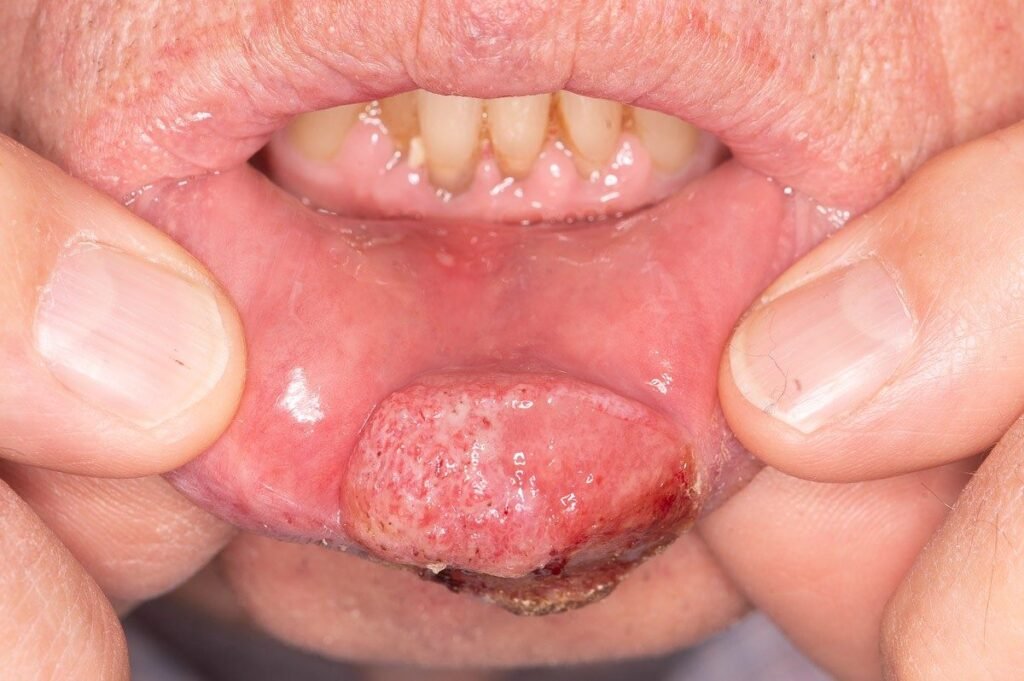
Oral cancer is a serious health condition that can affect the lips, tongue, cheeks, gums, roof of the mouth, or throat. Early detection plays a major role in successful treatment and recovery. However, many people ignore early warning signs because symptoms may appear mild in the beginning. Understanding the early symptoms and the importance of regular oral cancer screening helps support timely diagnosis and better oral health outcomes.
Understanding Oral Cancer
It develops when abnormal cells grow uncontrollably inside the mouth or surrounding areas. The condition may affect speaking, chewing, swallowing, and overall oral function if not identified early. Regular dental examinations are important because dentists can often detect suspicious changes before symptoms become severe.
Early Symptoms
Recognizing symptoms early can improve treatment outcomes significantly. Common signs of oral cancer include persistent mouth ulcers, red or white patches inside the mouth, swelling, unexplained bleeding, or pain that does not heal properly.
Some individuals may experience difficulty chewing, swallowing, speaking, or moving the jaw and tongue comfortably. Persistent bad breath, numbness, or loose teeth may also be warning signs that require attention.
Common Risk Factors
Several factors can increase the risk of oral cancer. Tobacco use, smoking, excessive alcohol consumption, and poor oral hygiene are among the most common risk factors. In some cases, viral infections and long-term irritation inside the mouth may also contribute to abnormal cell growth.
Maintaining healthy lifestyle habits can help reduce the risk of developing oral cancer.
Importance of Screening
Regular oral cancer screening is essential for identifying abnormal changes at an early stage. Early detection increases the chances of successful treatment and reduces the risk of complications. Dental professionals can examine the mouth, gums, tongue, and surrounding tissues for suspicious lesions or growths during routine check-ups.
Screening becomes especially important for individuals with higher risk factors such as smoking or tobacco use.
Diagnosis and Treatment
If suspicious symptoms are identified, further medical evaluation may be recommended to confirm the diagnosis. Treatment depends on the stage and severity of the condition. Early-stage oral cancer is generally easier to manage and may respond better to treatment.
Timely medical care and regular follow-up visits are important for maintaining oral health during recovery.
Tips for Maintaining Oral Health
Good oral hygiene and preventive care support better oral wellness. Brushing and flossing regularly, avoiding tobacco products, limiting alcohol consumption, and maintaining a healthy diet can help reduce oral health risks. Routine dental check-ups also help identify abnormalities before they become serious.
When to Consult a Dental Specialist
Medical or dental consultation is important if mouth sores, patches, swelling, or pain persist for more than a few weeks. Difficulty swallowing, unexplained bleeding, or changes inside the mouth should never be ignored.
Conclusion
Oral cancer is a serious condition that requires early diagnosis and timely treatment. Recognizing warning signs and undergoing regular oral cancer screening can significantly improve recovery outcomes and protect long-term oral health. Preventive dental care, healthy lifestyle habits, and regular check-ups play a vital role in reducing the risk of oral cancer.