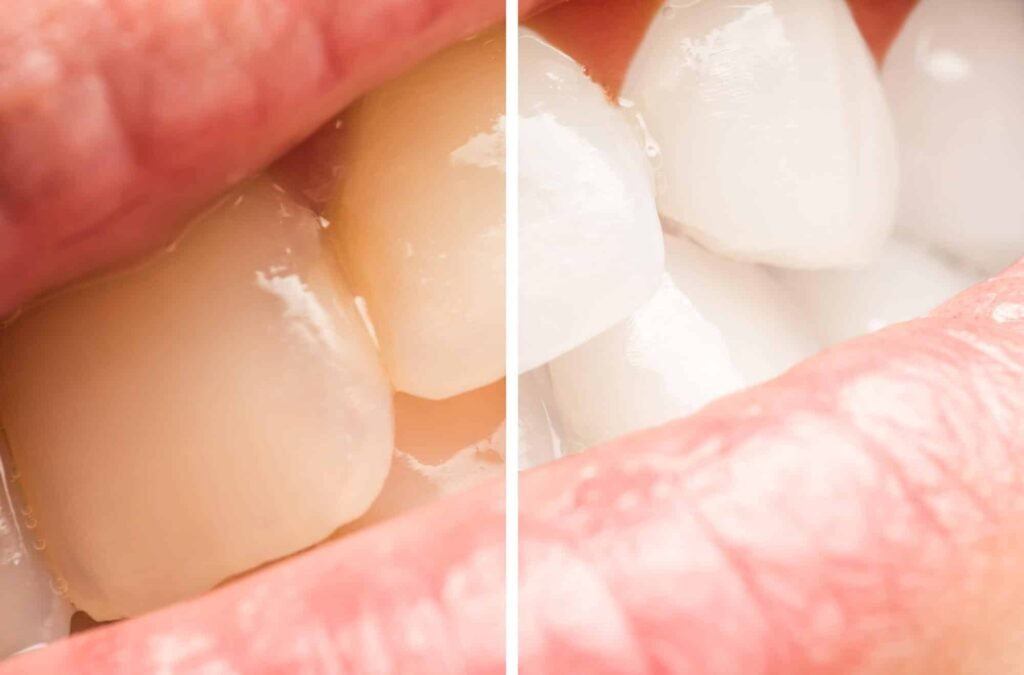
Tooth discoloration is a common dental concern that affects the appearance of a smile and can impact self-confidence. Teeth may become yellow, brown, gray, or develop stains over time due to various factors. While some forms of discoloration are harmless, others may indicate underlying dental issues that require professional attention. Understanding the causes and available treatment solutions can help maintain a brighter and healthier smile.
What Is Tooth Discoloration?
Tooth discoloration refers to any change in the natural color of the teeth. It can affect a single tooth or multiple teeth and may occur gradually or suddenly. Some discoloration affects only the outer surface of the teeth, while other types develop within the tooth structure itself.
The severity and appearance of discoloration often depend on the underlying cause.
Common Causes of Tooth Discoloration
Several factors can contribute to changes in tooth color. Food and beverages such as coffee, tea, red wine, and colored soft drinks are among the most common causes of surface staining.
Tobacco use can also cause significant discoloration over time. Poor oral hygiene, aging, certain medications, excessive fluoride exposure during childhood, and dental injuries may also affect tooth color.
In some cases, tooth discoloration may result from underlying dental conditions that require professional evaluation.
Types of Tooth Discoloration
Dental professionals generally classify tooth discoloration into different categories based on its source.
Extrinsic Discoloration
Extrinsic discoloration affects the outer surface of the teeth. Stains caused by food, drinks, tobacco, and plaque buildup usually fall into this category.
Intrinsic Discoloration
Intrinsic discoloration develops inside the tooth structure. It may occur due to trauma, medication use, developmental conditions, or aging-related changes within the tooth.
Age-Related Discoloration
As people age, the outer enamel gradually wears down, revealing the naturally darker dentin beneath. This process can make teeth appear more yellow over time.
Why Professional Evaluation Matters
A dental examination can help identify the exact cause of tooth discoloration and determine the most appropriate treatment approach. Early evaluation is especially important if the discoloration appears suddenly, affects only one tooth, or is accompanied by pain or sensitivity.
Professional assessment can also rule out underlying dental problems that may require treatment.
Treatment Solutions for Tooth Discoloration
Treatment depends on the cause and severity of the discoloration. Professional dental cleaning can help remove surface stains and improve the appearance of the teeth.
For deeper discoloration, dentists may recommend cosmetic dental treatments designed to enhance tooth color and appearance. The most suitable option depends on the individual’s dental condition and treatment goals.
Maintaining good oral hygiene and following professional dental advice can help preserve treatment results.
Tips to Prevent Tooth Discoloration
Healthy daily habits can reduce the risk of staining and discoloration. Brushing and flossing regularly help remove plaque and surface stains before they become more noticeable.
Limiting stain-causing foods and beverages, avoiding tobacco products, and attending routine dental check-ups can contribute to a brighter smile. Drinking water after consuming colored beverages may also help reduce staining.
When Should You Visit a Dentist?
Schedule a dental consultation if tooth discoloration becomes noticeable, affects your confidence, or occurs suddenly without an obvious cause. Professional evaluation can identify underlying issues and help restore the appearance of your smile.
Conclusion
Tooth discoloration is a common dental concern that can result from lifestyle habits, aging, medications, or underlying oral health conditions. Understanding the causes and seeking timely dental care can help improve tooth appearance and overall oral health. Regular dental visits, proper oral hygiene, and preventive care play a key role in maintaining a healthy and confident smile.