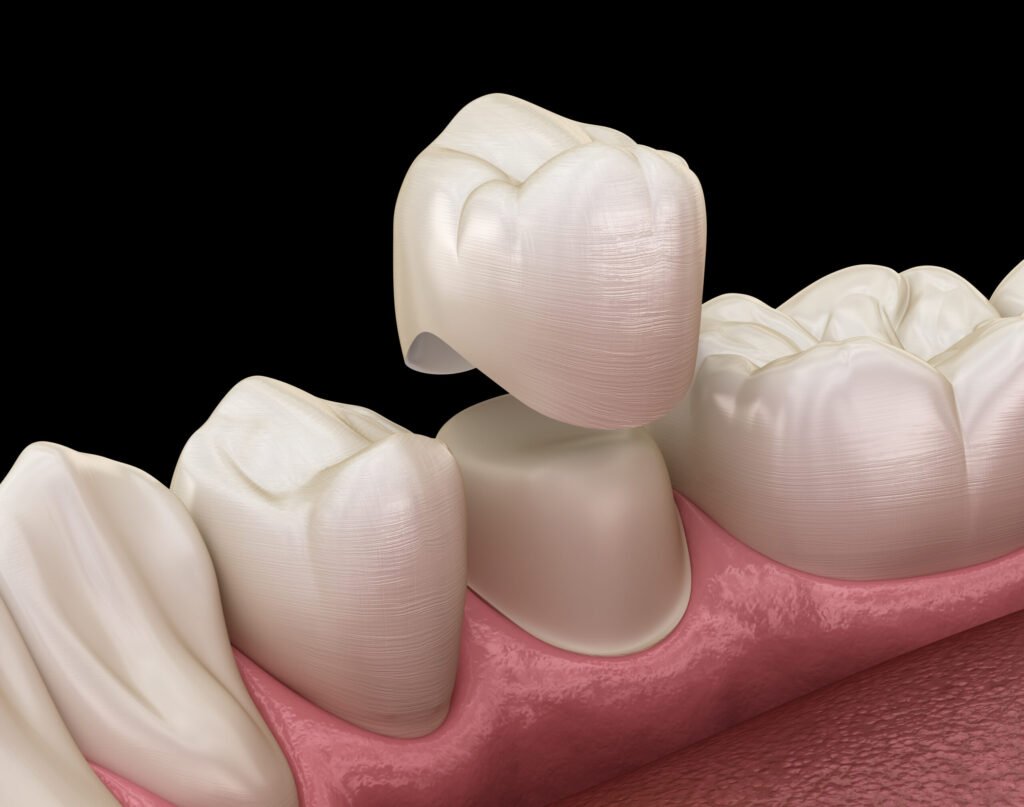
Dental crowns are one of the most common restorative treatments used in modern dentistry. They help protect damaged teeth, restore function, and improve the appearance of a smile. A crown acts like a protective cap that covers the visible portion of a tooth, providing strength and durability. Understanding when dental crowns are necessary can help patients make informed decisions about their oral health and treatment options.
What Are Dental Crowns?
A dental crown is a custom-made restoration designed to fit over a damaged or weakened tooth. It covers the entire visible portion of the tooth above the gum line and helps restore its shape, size, strength, and appearance.
Dentists use crowns to protect teeth that can no longer function properly on their own due to damage, decay, or wear.
When Are Dental Crowns Necessary?
Dental crowns may be recommended in several situations where a tooth requires additional protection or restoration.
Severely Damaged Teeth
Teeth that have suffered significant damage due to decay, fractures, or trauma may not have enough healthy structure remaining to support normal function. A crown helps strengthen and protect the tooth from further damage.
After Root Canal Treatment
Root canal treatment removes infected tissue from inside a tooth. Following the procedure, the tooth may become weaker and more prone to fractures. A dental crown provides added protection and helps restore normal chewing function.
Large Dental Fillings
When a tooth contains a large filling and has limited healthy tooth structure remaining, a crown may provide better long-term support than another filling alone.
Cracked or Worn Teeth
Teeth that are cracked, worn down from grinding, or weakened over time may benefit from the additional strength provided by a crown.
Cosmetic Improvements
In some cases, dental crowns can improve the appearance of teeth that are severely discolored, misshapen, or damaged when other cosmetic treatments may not be suitable.
Benefits of Dental Crowns
Dental crowns offer several advantages for both oral health and aesthetics. They help restore chewing ability, improve tooth appearance, and protect weakened teeth from further damage.
Crowns also contribute to maintaining proper bite alignment and preserving the overall function of the mouth.
The Dental Crown Procedure
The process typically begins with a dental examination to evaluate the condition of the tooth. The dentist prepares the tooth and takes measurements to ensure the crown fits properly.
Once the custom crown is ready, it is securely placed over the tooth, restoring its strength and appearance. Follow-up visits may be scheduled to ensure comfort and proper function.
Caring for Dental Crowns
Good oral hygiene is essential for maintaining the health of crowned teeth. Brushing twice daily, flossing regularly, and attending routine dental check-ups can help extend the lifespan of a crown.
Avoiding habits such as chewing hard objects or using teeth as tools can also help protect the restoration.
When Should You Consult a Dentist?
Dental consultation is important if you have a damaged, cracked, weakened, or heavily restored tooth. Early evaluation helps determine whether a dental crown is the most appropriate treatment option and can prevent further complications.
Conclusion
Dental crowns play an important role in restoring damaged teeth and protecting long-term oral health. They provide strength, durability, and aesthetic improvement for teeth affected by decay, fractures, or extensive dental treatment. Regular dental care and timely treatment can help ensure healthy teeth and a confident smile for years to come.