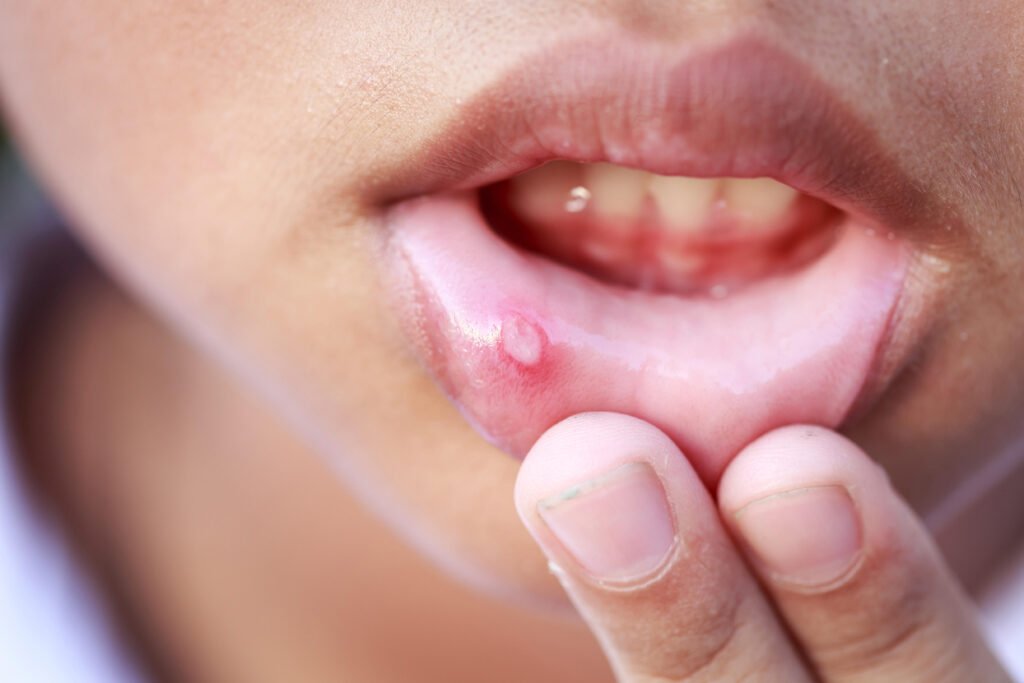
Mouth ulcers are small, painful sores that develop inside the mouth. They often appear on the inner cheeks, lips, tongue, gums, or the floor of the mouth. Most mouth ulcers heal within one to two weeks, but some people experience them repeatedly. If mouth ulcers keep coming back, they may indicate an underlying issue that requires attention. Identifying the cause can help reduce their frequency and improve your overall oral health.
What Are Mouth Ulcers?
Mouth ulcers are shallow sores that develop on the soft tissues inside the mouth. They usually have a white, yellow, or grey center surrounded by a red border. Although they are not contagious, they can make eating, drinking, brushing, and speaking uncomfortable.
Most mouth ulcers are harmless and heal naturally. However, ulcers that recur frequently or take a long time to heal should not be ignored.
Why Do Mouth Ulcers Keep Coming Back?
Recurring mouth ulcers can develop for several reasons. Minor injuries inside the mouth are one of the most common causes. Accidentally biting your cheek, brushing too hard, or irritation from sharp teeth or dental appliances can damage the lining of the mouth and trigger an ulcer.
Stress also plays an important role. Many people notice mouth ulcers during periods of emotional stress, lack of sleep, or physical exhaustion. Although stress does not directly cause ulcers, it can make the mouth more vulnerable to inflammation.
Nutritional Deficiencies Can Increase the Risk
Your body needs essential vitamins and minerals to keep the tissues inside the mouth healthy. Low levels of vitamin B12, iron, folic acid, or zinc may increase the risk of recurring mouth ulcers. People with poor dietary intake or certain digestive disorders may develop these deficiencies more easily.
Correcting nutritional deficiencies often reduces the frequency of mouth ulcers. A healthcare professional can recommend appropriate tests if a deficiency is suspected.
Certain Medical Conditions May Be Responsible
Sometimes recurring mouth ulcers are linked to an underlying medical condition. Disorders such as celiac disease, Crohn’s disease, ulcerative colitis, Behçet’s disease, or immune system disorders can cause repeated ulcers inside the mouth.
Hormonal changes may also contribute in some individuals. Women sometimes notice more frequent ulcers during specific stages of the menstrual cycle because hormonal fluctuations can affect the tissues inside the mouth.
Food Sensitivities and Allergies
Some foods can trigger mouth ulcers in sensitive individuals. Spicy foods, acidic fruits, nuts, chocolate, and certain food additives may irritate the lining of the mouth and contribute to recurring sores.
Keeping a record of foods eaten before an ulcer appears may help identify possible triggers. Avoiding these foods can reduce irritation in some people.
Poor Oral Hygiene and Dental Problems
Good oral hygiene helps maintain healthy tissues inside the mouth. Plaque buildup, gum disease, sharp tooth edges, broken fillings, or poorly fitting dentures may repeatedly irritate the oral tissues and lead to recurring ulcers.
Regular dental examinations help identify these problems early and reduce repeated irritation.
When Should You Be Concerned?
Most mouth ulcers heal within two weeks. However, some symptoms require professional evaluation. An ulcer that lasts longer than two weeks, becomes unusually large, bleeds easily, or causes severe pain should never be ignored.
Ulcers that occur very frequently or are accompanied by fever, difficulty swallowing, swollen lymph nodes, or unexplained weight loss also require prompt medical assessment. Early evaluation helps rule out serious conditions, including oral cancer and systemic diseases.
How Are Recurring Mouth Ulcers Diagnosed?
A dentist or oral medicine specialist will examine the ulcer and review your medical history. They may ask about your diet, stress levels, medications, and previous episodes. If ulcers occur repeatedly, additional blood tests may help identify vitamin deficiencies or underlying health conditions.
In rare cases, your dentist may recommend a biopsy if the ulcer has unusual features or does not heal as expected.
Treatment Options
Treatment depends on the underlying cause. Mild mouth ulcers often improve with protective gels, medicated mouth rinses, or topical medications that reduce pain and inflammation. If nutritional deficiencies contribute to the problem, correcting those deficiencies may reduce future episodes.
When an underlying medical condition causes recurring ulcers, treating that condition usually helps control the sores. Avoiding known triggers and maintaining good oral hygiene also support faster healing.
How Can You Help Prevent Mouth Ulcers?
Simple daily habits can reduce the chance of recurring ulcers. Use a soft-bristled toothbrush and brush gently to avoid injury to the mouth. Eat a balanced diet that provides enough vitamins and minerals. Drink enough water throughout the day and avoid foods that repeatedly trigger irritation.
Managing stress, sleeping well, and attending regular dental check-ups also support good oral health. If dental appliances or sharp teeth irritate the mouth, your dentist can recommend suitable adjustments.
Conclusion
Mouth ulcers are common, but they should not keep returning without a reason. Recurring ulcers may result from minor injuries, nutritional deficiencies, stress, food sensitivities, or underlying medical conditions. Most ulcers heal within a short time, but persistent or frequently recurring sores deserve professional evaluation. Early diagnosis allows the underlying cause to be treated and helps prevent future episodes. If mouth ulcers continue to return or do not heal properly, consulting an oral medicine specialist is the best way to protect your oral health.