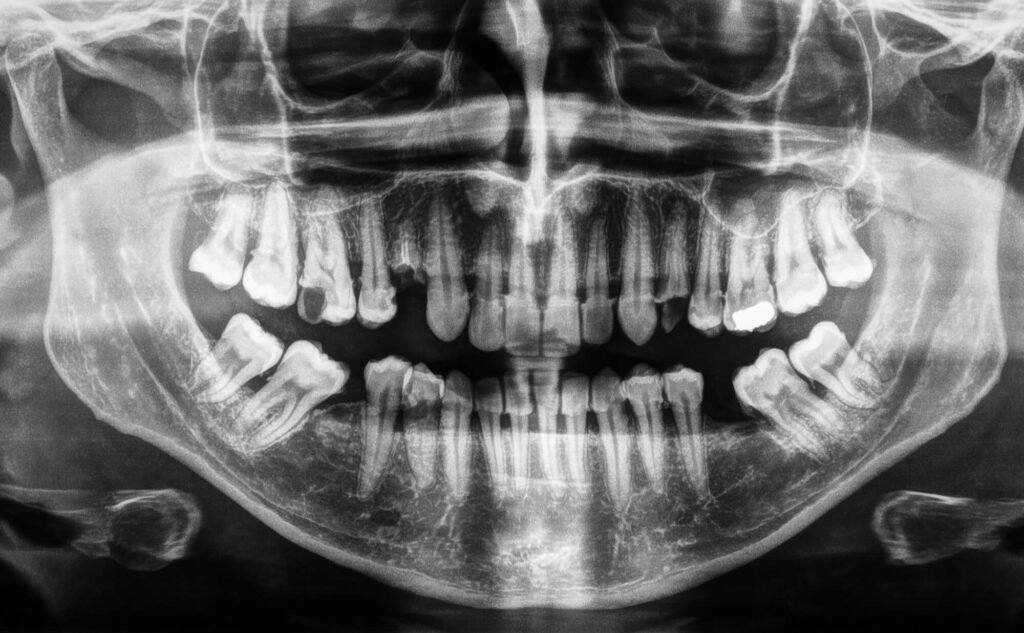
Dental X-Rays play an important role in modern dentistry by helping dentists identify problems that cannot be seen during a routine oral examination. Many patients hesitate when an X-ray is recommended because they worry about radiation exposure. However, today’s digital imaging technology uses very low radiation levels while providing detailed pictures of the teeth, jaw, and surrounding structures. Understanding how this technology works and when it becomes necessary can help patients feel more confident about their dental care.
Understanding Dental Imaging
Dental imaging allows dentists to look beneath the surface of the teeth and gums. While a visual examination reveals many oral health issues, some conditions remain hidden until they become painful or advanced. Digital radiographs help detect these problems much earlier, allowing treatment before serious damage develops.
Modern equipment produces high-quality images within seconds and uses much lower radiation than traditional film-based systems.
Why Early Detection Matters
Many dental conditions begin silently without causing obvious symptoms. Small cavities between teeth, infections near the roots, bone loss, impacted teeth, and jaw abnormalities often remain unnoticed during a routine examination.
Finding these problems early allows dentists to provide simpler and more effective treatment. Early diagnosis also helps preserve natural teeth, reduces treatment costs, and prevents complications.
Are Dental X-Rays Safe?
Modern Dental X-Rays are considered very safe when used appropriately. Digital technology requires only a small amount of radiation to produce detailed images. Dental professionals carefully evaluate each patient before recommending imaging and only request it when it will improve diagnosis or treatment planning.
Additional protective measures, including lead aprons and thyroid protection when appropriate, further reduce unnecessary exposure.
When Might Your Dentist Recommend Them?
The need for oral imaging depends on your age, dental history, symptoms, and overall oral health. New patients often require imaging to establish a complete record of their teeth and jaws. Patients with frequent cavities, gum disease, or previous dental treatment may need updated images from time to time.
Your dentist may also recommend imaging if you experience tooth pain, swelling, sensitivity, jaw discomfort, or signs of infection. It is equally valuable before procedures such as root canal therapy, dental implants, braces, or wisdom tooth removal.
Problems That Can Be Found Early
Diagnostic imaging allows dentists to identify conditions before they become severe. It can reveal hidden tooth decay, infections beneath the gums, bone loss caused by periodontal disease, impacted wisdom teeth, jaw fractures, cysts, and certain tumors.
In children, these images help monitor tooth development and identify problems with erupting permanent teeth. Detecting these conditions early often leads to simpler treatment and better long-term outcomes.
Is It Safe for Children?
Children benefit from dental imaging because their teeth and jaws continue to develop as they grow. Images help dentists monitor tooth eruption, identify hidden cavities, and evaluate the position of developing permanent teeth.
Dentists carefully consider the child’s age, oral health, and individual needs before recommending imaging. Modern digital equipment keeps radiation exposure as low as reasonably possible while providing clear diagnostic information.
What About During Pregnancy?
Patients should always inform their dentist if they are pregnant or think they may be pregnant. Routine imaging may be postponed when it is not urgently needed. However, if a serious dental problem develops, the benefits of obtaining diagnostic information may outweigh the minimal risks.
The dentist will decide the safest approach and use appropriate protective measures whenever imaging becomes necessary.
How Often Is Imaging Needed?
There is no fixed schedule that applies to everyone. Some patients require images more frequently because they have a higher risk of tooth decay or gum disease. Others with healthy teeth and excellent oral hygiene may need them less often.
Your dentist will recommend the most appropriate interval after evaluating your oral health, previous findings, and risk factors.
What Should You Expect?
The procedure is simple, quick, and painless. A small digital sensor is placed inside the mouth while the images are captured. Some patients may notice slight pressure for a few seconds, but the process is generally comfortable and takes only a short time.
The images appear almost immediately, allowing the dentist to explain the findings during the same appointment.
Benefits Beyond Diagnosis
Digital imaging does more than identify existing dental problems. It also helps monitor healing after treatment, evaluate bone health, assess tooth development, and plan complex procedures with greater accuracy. Because dentists receive clear and detailed information, they can create more precise treatment plans and achieve better long-term results.
Regular examinations combined with appropriate imaging help maintain healthy teeth and gums throughout life.
Conclusion
Dental X-Rays remain one of the safest and most valuable diagnostic tools in dentistry. They help detect hidden oral health problems before symptoms become severe, allowing earlier treatment and better outcomes. Modern digital technology has greatly reduced radiation exposure while improving image quality and diagnostic accuracy. If your dentist recommends this examination, it is because the information gained will support better decisions for your oral health and long-term dental care.