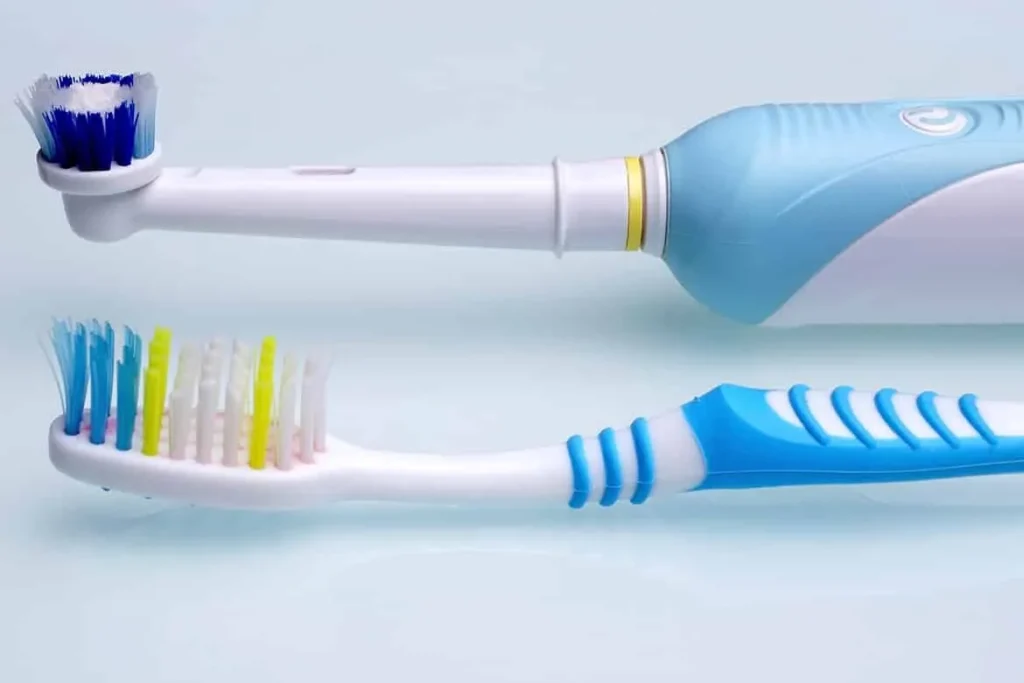
Choosing the right toothbrush plays an important role in maintaining good oral health. Many people wonder whether electric toothbrushes are truly better than traditional manual brushes or whether both can clean teeth equally well. The answer is not always the same for everyone. Both types of toothbrushes can be effective when used properly, but they differ in convenience, brushing technique, ease of use, and cleaning performance. Understanding these differences can help you choose the option that best supports your oral hygiene routine.
Why Brushing Technique Matters More Than the Brush Type
Before comparing both options, it is important to understand that brushing technique is one of the biggest factors in oral health. Even the most advanced toothbrush will not work well if it is used incorrectly or for too little time. On the other hand, a simple manual toothbrush can still clean the teeth effectively when used with proper technique and consistency.
Brushing twice a day, cleaning all tooth surfaces, using gentle pressure, and replacing the brush regularly are essential habits regardless of the type of toothbrush you use.
What Is a Manual Toothbrush?
A manual toothbrush is the traditional type that most people have used for years. It relies completely on hand movement to clean the teeth and gums. Manual toothbrushes are simple, affordable, easy to find, and available in many sizes and bristle types.
They can work very well for people who have good brushing technique and enough time to brush carefully. However, because the cleaning depends on the user’s hand movement, some people may miss certain areas or use too much pressure while brushing.
What Is an Electric Toothbrush?
An electric toothbrush uses powered bristle movement to help remove plaque and clean the teeth. Some models rotate, while others vibrate or use sonic movement. Many electric toothbrushes also include built-in timers, pressure sensors, and different brushing modes.
These features can make brushing easier and more consistent, especially for people who struggle with technique, rush through brushing, or apply too much force on the teeth and gums.
Are Electric Toothbrushes More Effective?
In many cases, electric toothbrushes can remove plaque more effectively than manual toothbrushes because they produce a high number of brushing movements in a short time. This can improve cleaning around the gum line and between teeth when used correctly.
Electric brushes may also help people brush for the full recommended two minutes, which is something many manual brush users do not always do. However, this does not mean manual toothbrushes are ineffective. A person with good brushing habits can still maintain excellent oral health with a manual toothbrush.
Who May Benefit More from an Electric Toothbrush?
Electric toothbrushes can be especially useful for children, older adults, and people with limited hand movement or arthritis. Because the brush does much of the movement on its own, it may be easier for them to clean properly without straining the hand or wrist.
People with braces, gum problems, or a history of plaque buildup may also find electric toothbrushes helpful because they can make daily cleaning more thorough and consistent.
Advantages of a Manual Toothbrush
Manual toothbrushes remain a practical choice for many people. They are affordable, easy to carry while traveling, and do not require charging or batteries. They also come in a wide range of head sizes and bristle options, making it easy to choose one that feels comfortable.
For people who already brush correctly and maintain regular dental checkups, a manual toothbrush can be completely sufficient for daily oral care.
Advantages of an Electric Toothbrush
One of the biggest advantages of an electric toothbrush is ease of use. The powered motion helps with cleaning even if the user’s brushing technique is not perfect. Built-in timers can encourage longer brushing, while pressure sensors may help prevent overly aggressive brushing that can harm the gums.
Some people also feel more motivated to brush regularly when using an electric toothbrush, especially if it makes the process easier or more comfortable.
Can a Manual Toothbrush Still Be the Right Choice?
Yes, absolutely. A manual toothbrush is still a good option if you use proper technique, brush for two minutes, clean gently along the gum line, and replace the brush when the bristles become worn. Good oral hygiene depends more on consistency and proper cleaning than on the price of the toothbrush.
If your dentist is happy with your gum health and plaque control, there may be no need to switch unless you want extra convenience or specific features.
What About Sensitive Teeth and Gums?
People with sensitive gums often worry that electric toothbrushes may be too harsh. In reality, many electric toothbrushes are designed with soft bristles and gentle modes that can be very suitable for sensitive mouths. Some may even be safer than manual brushing if the user tends to scrub too hard with a regular brush.
The key is to choose a soft-bristled brush, whether manual or electric, and to avoid excessive pressure.
Which Toothbrush Should You Choose?
The best toothbrush is the one you will use correctly and consistently every day. If you prefer simplicity, travel often, or already brush well with a manual toothbrush, you may not need to change. If you want help with technique, timing, or gentler plaque removal, an electric toothbrush may be a worthwhile investment.
Your age, dental condition, comfort, and personal routine all matter when making the choice. Some patients benefit greatly from electric brushes, while others do just as well with manual ones.
The Role of Regular Dental Checkups
No toothbrush can replace professional dental care. Even with good brushing habits, plaque can harden into tartar in areas that are difficult to clean at home. Regular dental checkups and professional cleanings help identify early signs of gum disease, cavities, enamel wear, or other oral health problems.
If you are unsure which toothbrush is best for you, your dentist can evaluate your brushing habits and recommend the most suitable option for your teeth and gums.
Conclusion
Electric toothbrushes can offer several advantages, especially for people who want better plaque removal, improved brushing consistency, or extra support with technique. However, manual toothbrushes can still be highly effective when used properly. The better option depends on your brushing habits, comfort, and oral health needs. What matters most is brushing correctly twice a day, using a soft-bristled brush, and maintaining regular dental visits. A good toothbrush is not just about technology. It is about helping you care for your smile every day.