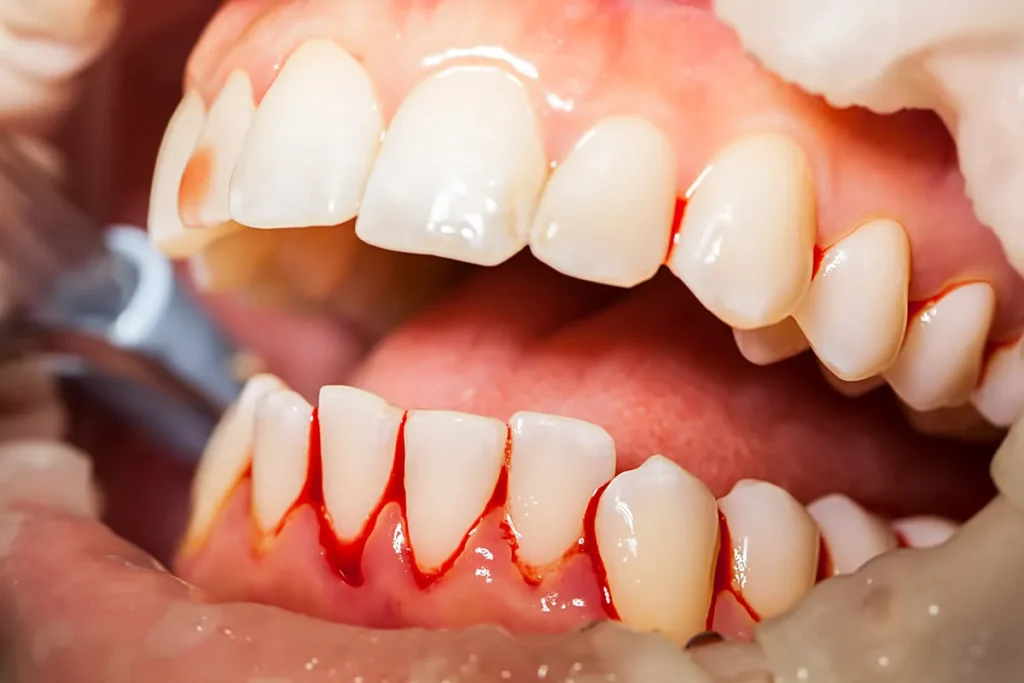
Bleeding gums are a common oral health problem that many people experience while brushing, flossing, or eating. Although occasional bleeding may seem harmless, persistent gum bleeding can indicate underlying dental or gum disease that requires proper attention. Early diagnosis and timely treatment help protect oral health and prevent complications such as infections or tooth loss.
Understanding Bleeding Gums
Healthy gums should not bleed regularly. Bleeding usually occurs when the gum tissues become inflamed, irritated, or infected. Poor oral hygiene is one of the most common reasons for bleeding gums, but several other health conditions and lifestyle factors can also contribute to the problem.
Ignoring gum bleeding for a long time may lead to worsening gum disease and affect overall oral health.
Common Causes of Bleeding Gums
Several factors can cause gum bleeding. Plaque and tartar build-up around the teeth often irritate the gums and lead to inflammation. Gingivitis, an early stage of gum disease, is one of the most common causes of bleeding gums.
Other causes may include aggressive brushing, vitamin deficiencies, smoking, hormonal changes, dental infections, or certain medical conditions. In some individuals, stress and poor nutrition may also affect gum health.
Symptoms Associated with Gum Problems
Along with bleeding, individuals may experience swollen gums, redness, bad breath, gum tenderness, or discomfort while chewing. In more advanced cases, gums may begin to recede, and teeth may feel loose.
Persistent symptoms should not be ignored because they may indicate progressive gum disease.
Importance of Early Dental Care
Early dental evaluation helps identify the exact cause of bleeding gums and prevents long-term complications. Professional dental cleaning and timely treatment can remove plaque build-up and improve gum health before the condition becomes severe.
Regular dental check-ups also help monitor oral hygiene and support preventive care.
Treatment Solutions for Bleeding Gums
Treatment depends on the underlying cause of the condition. Professional cleaning, improved oral hygiene, and proper brushing techniques are commonly recommended. In cases of gum disease or infection, additional dental treatment may be necessary to control inflammation and protect the gums.
Maintaining a healthy diet and following professional dental advice also support faster recovery and long-term gum care.
Tips for Maintaining Healthy Gums
Simple daily habits can help prevent bleeding gums and improve oral health. Brushing gently with a soft-bristled toothbrush, flossing regularly, and using proper oral hygiene practices are essential. In addition, avoiding tobacco products and maintaining balanced nutrition support stronger gums and healthier teeth.
Drinking enough water and limiting excessive sugary foods can also benefit oral health.
When to Consult a Dentist
Dental consultation is important if gum bleeding continues for several days or is associated with swelling, pain, bad breath, or loose teeth. Early treatment helps prevent complications and supports healthier gums.
Conclusion
Bleeding gums may indicate underlying gum disease, poor oral hygiene, or other dental conditions. Recognizing symptoms early and seeking proper treatment help protect oral health and prevent serious complications. Regular dental care, healthy habits, and professional guidance are essential for maintaining strong gums and long-term oral wellness.